

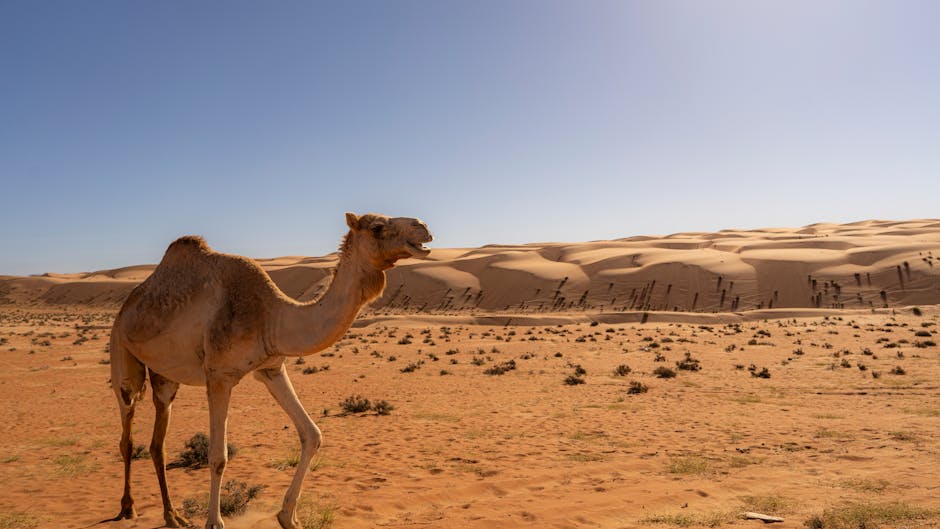
Sometimes, you know, a place just… sticks with you. Not because it’s a pretty postcard picture, but because it’s so utterly, mind-bendingly vast, it just rewires your brain a little. And when we talk about big, I mean, truly big, the Sahara Desert, or as folks in Tamil Nadu might say, Sahara Palaivanam, is the ultimate example. It’s not just sand, even though there’s a whole lot of that. It’s a living, breathing, sometimes-scary, always-awe-inspiring piece of Earth that in 2025, well, it’s still out there doing its thing, but maybe with a few new wrinkles.
Imagine looking at a map. And then imagine a chunk of Africa that’s bigger than the USA, except for Alaska. That’s the Sahara. It stretches across like, 11 different countries. From the Atlantic all the way to the Red Sea. A space so huge, you could lose a small country in it and probably not even notice for a while. It’s the world’s largest hot desert. Plenty of cold deserts too, but for scorching heat and endless dunes, Sahara’s the champ.
You might think, “Oh, desert, so it’s just… dry.” And yeah, it’s super dry. Some places in the Sahara, it barely rains, like, ever. Years can go by. But what’s fascinating, really, is how despite that, life finds a way. And it’s not just the obvious camels, though those guys are the kings of getting around there. There are gazelles, fennec foxes, scorpions hiding under rocks, and even some hardy little plants that somehow pull water out of nowhere. It’s a whole ecosystem, tough as nails, surviving against all odds.
Life’s Stubborn Grip in Sahara Palaivanam
So, about life in this massive sandy ocean. It’s not just a wasteland, even if it looks like one from above. The Sahara’s got some serious biodiversity, just not the kind you’d see in a rainforest. Think about it: extreme heat, very little water, huge temperature swings between day and night. Things that live here have some wild ways to survive.
Take the fennec fox. Ever seen one? Tiny little things, with these enormous ears. Not for hearing better necessarily, though they probably do, but to help them cool off. All that surface area just lets heat escape. Clever, right? And scorpions, those creepy crawlies? They don’t need much water; they get it from their prey. Plus, they’re mostly nocturnal, smart enough to avoid the baking sun.
Then there are the plants. You got your acacias, which are super thorny, and some drought-resistant grasses. But the real heroes are things like date palms, especially around oases. An oasis is like a secret garden in the middle of nowhere. Underground water comes up, and suddenly, life just explodes. People live there, they grow food, it’s a whole different world for a few hundred yards.
And the people! What’s interesting is that this place has been home to humans for thousands of years. Nomadic tribes, like the Tuareg, they’ve learned to move with the seasons, following traditional routes, finding water where no one else would think to look. They know the desert like the back of their hand, every dune, every rock formation. They’re like living maps. Their culture, it’s just woven into the very fabric of the desert. These days, things are changing a bit, with modern ways slowly creeping in, but the old knowledge, it’s still there.
The Sahara’s Ancient Heartbeat: What Lies Beneath the Sand
This desert, it hasn’t always been a desert. That’s the wild part. Thousands of years ago, this place was green. Like, actual lakes, rivers, elephants, giraffes. There’s rock art, you know, paintings on cave walls, showing all these animals. It’s pretty mind-boggling to think about. Scientists, they look at sediments, old pollen, and figure this out. It’s called the “Green Sahara” period. Climate changes, always has, always will, and the Sahara is a prime example of how dramatic those shifts can be.
And under all that sand? There are these massive underground aquifers. Huge reservoirs of water, ancient water, sometimes thousands of years old. Some countries, they’re trying to tap into it for agriculture or drinking water. But that’s a tricky balance. You pump it out too fast, and then what? It doesn’t refill in human timescales. So, it’s a careful dance between trying to use what’s there and not messing things up for the future.
What about oil and gas? Yeah, some countries in the Sahara have got that too. Algeria, Libya. That brings in money, but also, it adds another layer of complexity. Roads get built, things change. Not always for the better for the environment, for sure.
The Shifting Sands of 2025: Climate and Connection
So, looking at 2025, what’s going on with the Sahara? Well, climate change, it’s affecting everything, everywhere, and the Sahara is no exception. Some scientists talk about “desertification,” which is when land that wasn’t desert becomes desert. But for the Sahara itself, it’s more about how existing dry areas are getting even drier, or how rainfall patterns are shifting. It might mean even tougher times for people and animals already living on the edge.
But also, there’s a surprising connection between the Sahara and other parts of the world. Dust. Lots and lots of dust. Every year, tons of Sahara dust get blown across the Atlantic Ocean, all the way to the Amazon rainforest. You might think, “Eww, dust.” But actually, that dust carries nutrients, like phosphorus, which the Amazon rainforest needs to grow. It’s like the Sahara is feeding the Amazon. A huge, invisible global nutrient cycle. Pretty neat, huh? And if climate patterns change, how does that affect this amazing dust highway? Something to think about.
Tourism also plays a role. People want to see the Sahara. They want to ride camels, sleep under the stars, experience the quiet. It brings money to local communities, helps them survive. But it also means more vehicles, more waste. It’s a balancing act, trying to share this incredible place without messing it up. Eco-tourism is a thing, you know, trying to make sure visitors respect the environment and the local culture. That’s getting more important.
And technology. Drones are used for mapping, for finding water, for monitoring wildlife. Solar power is becoming a big deal there, obviously. Sunshine for days! There’s potential for huge solar farms that could power whole countries. That could totally change the energy landscape for a lot of these nations. Could the Sahara become a giant clean energy hub? Maybe. That’s a future that actually feels pretty exciting.
It’s easy to think of a desert as empty. But the Sahara Palaivanam, it’s anything but. It’s a dynamic, living, changing place. A place of incredible beauty, brutal conditions, and surprising connections to the rest of the planet. It makes you realize how everything, everywhere, is linked up.
Why the Sahara Still Matters to Us All
It’s just wild, how a place so remote, so extreme, can still be so important. Not just for the people who live there, but for everyone. The climate patterns that make the Sahara what it is, they influence weather systems worldwide. That dust cloud I mentioned? It doesn’t just fertilize the Amazon; it also affects hurricane formation in the Atlantic. Little things, well, big things happening over there, impact us.
And the history of it all, too. The Sahara was once a bridge, not a barrier. Trade routes crisscrossed it for centuries. Salt, gold, ideas, they all moved across these sands. Empires rose and fell around these connections. It’s got stories buried under every dune. So, when you look at it, it’s not just a big empty space. It’s a part of our global story, a giant, sandy archive of climate change, human ingenuity, and sheer, stubborn survival.
In my experience, thinking about a place like the Sahara, it really puts things into perspective. What’s truly essential for life? How adaptable are we, or anything living? And what’s our responsibility to these incredible, sometimes harsh, corners of the world? It’s not a simple answer. The Sahara, it just sits there, vast and quiet, but it’s screaming lessons at us, if we only bother to listen. It makes you wonder, what’s next for this giant? How will 2025 and the years after shape it?
Frequently Asked Questions About Sahara Palaivanam
Q1: What exactly is Sahara Palaivanam?
A1: Sahara Palaivanam is just the Tamil name for the Sahara Desert, which is the biggest hot desert in the entire world. It covers a huge chunk of North Africa, stretching from the Atlantic Ocean all the way across to the Red Sea. It’s mostly sand dunes, rocky plateaus, and gravel plains, but it’s got surprising life.
Q2: Can people actually live in the Sahara? How?
A2: Yeah, people totally live there! For thousands of years, actually. Mostly nomadic groups like the Tuareg. They’ve got this incredible knowledge about finding water, herding animals, and navigating the vast distances. Oases are super important too; they’re places where underground water comes up, creating little pockets of green where people can settle and grow things.
Q3: Is the Sahara Desert getting bigger or smaller with climate change?
A3: That’s a complicated one. Some studies suggest that the edges of the Sahara might be expanding in some areas due to climate change, a process called desertification. But for the core of the desert, it’s more about how existing dry conditions are getting even more extreme, and how rainfall patterns are shifting. It’s still super dry, no doubt about it.
Q4: What kind of animals can you find in the Sahara?
A4: You won’t find elephants anymore (unless you look at ancient rock art!), but there are still a lot of amazing animals. Think camels (obviously!), scorpions, fennec foxes with their huge ears, gazelles, various types of lizards and snakes, and even some hardy birds. They all have clever ways to survive the extreme heat and lack of water.
Q5: What’s unique about the Sahara’s connection to the rest of the world?
A5: Well, one really unique thing is the dust! Huge amounts of dust from the Sahara actually blow across the Atlantic Ocean and land in the Amazon rainforest. This dust carries important nutrients, like phosphorus, which basically acts like fertilizer for the Amazon’s trees. So, the Sahara helps the Amazon grow. It’s a massive, invisible link between continents.







Leave a Reply